

Sikkim CM Prem Singh Tamang Cooks for BPL Cricket Trainees at Rangpo Hostel, Wins Public Praise
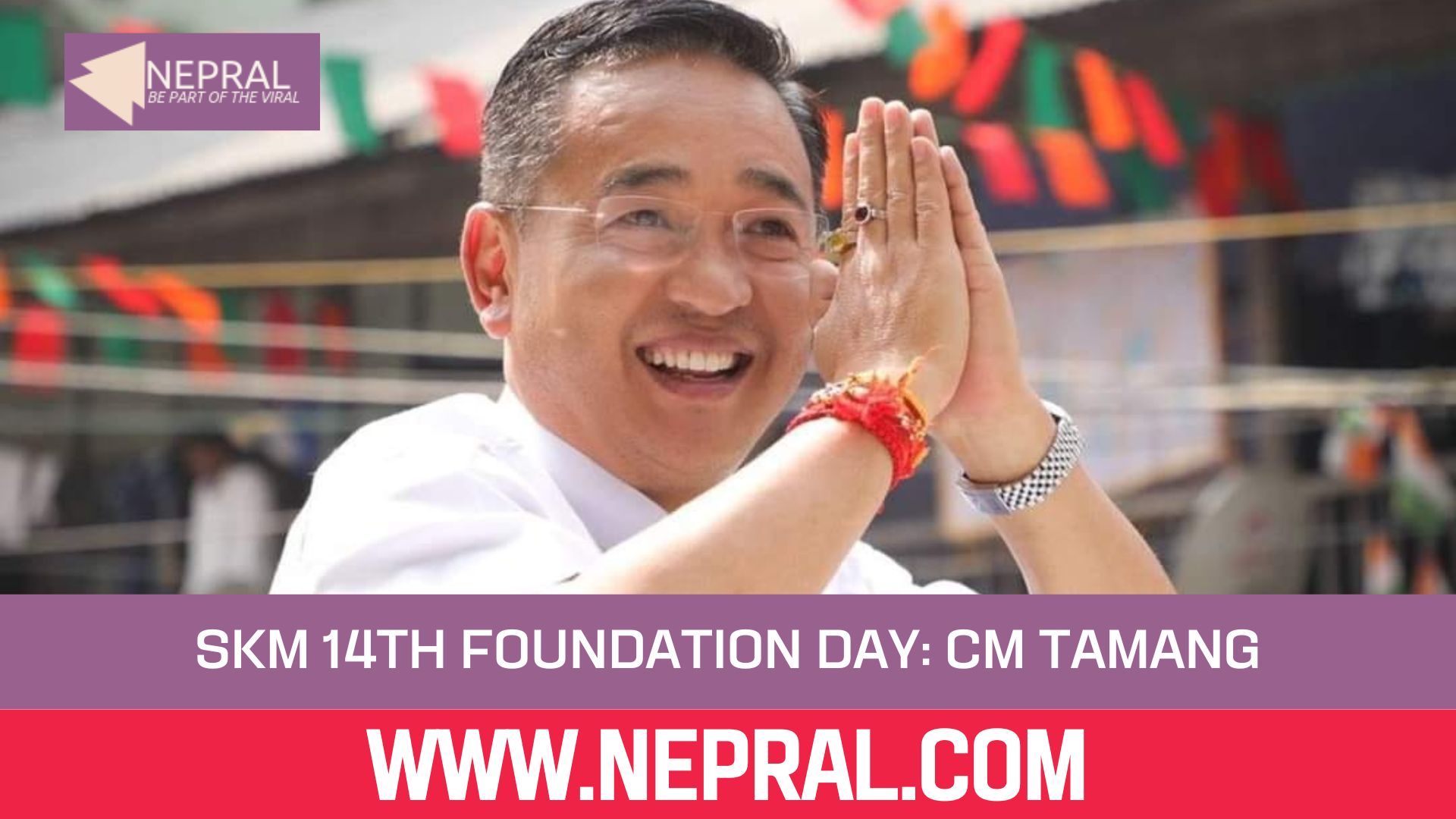
Rangpo, Sikkim, March 1 2026: In a gesture that has resonated widely across Sikkim, Chief Minister Prem Singh Tamang, popularly known as Golay, stepped away from official formalities and into a hostel kitchen to cook for children undergoing cricket training in the Rangpo Mining area. The moment, captured in a video that has since circulated widely, shows the Chief Minister personally preparing a meal for students from below-poverty-line (BPL) families.
The visit was not part of a formal government ceremony but rather a personal commitment fulfilled. According to those present, the Chief Minister had earlier asked the children what they would like to eat and assured them he would prepare it himself during a future visit. His appearance at the hostel kitchen was an effort to keep that promise.
A Visit Beyond Formal Protocol
Political engagements often involve speeches, inspections, and official briefings. However, this interaction unfolded differently. Dressed casually, the Chief Minister was seen standing beside a large stove, stirring a kadhai and checking the cooking flame alongside hostel staff.
Observers present at the venue said the atmosphere was informal and relaxed. Instead of delivering a speech and departing, he spent time engaging with the children and staff, creating what many described as a memorable experience for the young trainees.
The hostel houses children from economically disadvantaged backgrounds who are receiving structured cricket training as part of a local development initiative. The programme aims to provide sporting opportunities to youth who might otherwise lack access to professional coaching and facilities.
Cricket Training for Underprivileged Children
The Rangpo Mining area initiative focuses on identifying and nurturing cricketing talent among BPL families. Organisers of the training programme say sports can serve as both a skill-building tool and a pathway to broader opportunities.
Sikkim has been increasingly investing in youth development through sports infrastructure and grassroots programmes. Cricket, in particular, has seen rising interest among students in the state.
Officials associated with the hostel noted that the Chief Minister’s visit drew attention not only to the cooking gesture but also to the importance of sustained support for youth sports initiatives. They said such programmes require consistent encouragement from both government and community stakeholders.
Leadership and Public Perception
The Chief Minister has often described himself as a “Chief Servant” rather than solely as a political leader, a phrase that has become associated with his public messaging. Supporters say that stepping into the kitchen symbolised humility and accessibility, qualities that resonate strongly in a small Himalayan state where leaders are expected to remain connected to grassroots communities.
Political analysts point out that public gestures can play a significant role in shaping perceptions of leadership. While governance ultimately depends on policy decisions and administrative effectiveness, symbolic acts often reinforce a leader’s message of inclusivity and service.
At the same time, observers note that public goodwill generated through such moments must be complemented by continued investment in welfare, education, and employment initiatives.
Public Response Across Sikkim
Residents across Sikkim responded positively after videos of the event began circulating on social media platforms. Many praised the Chief Minister for fulfilling his promise and spending time with children outside the framework of formal government programmes.
Parents of trainees expressed appreciation for the encouragement shown to the young players. For children coming from financially weaker backgrounds, they said, such recognition can boost confidence and motivation.
Community members in Rangpo also highlighted that the gesture brought visibility to the hostel and its cricket training initiative, potentially drawing further support from sponsors and well-wishers.
Broader Context of Community Engagement
In recent years, several state governments across India have emphasised direct interaction between elected representatives and beneficiaries of welfare schemes. Community visits, school interactions, and participation in local events have become part of outreach strategies.
For Sikkim, where geographic terrain often limits connectivity, personal engagement by leaders can carry added significance. Direct interaction helps bridge gaps between policymakers and citizens in remote or semi-urban areas.
While symbolic gestures do not replace structural reforms, experts say they can strengthen trust and encourage youth participation in state-supported programmes.
Looking Ahead
The Rangpo hostel visit may be remembered less for its political context and more for the message it conveyed about leadership style. By preparing a meal for young cricket trainees, Chief Minister Prem Singh Tamang demonstrated a personal approach to public engagement.
As Sikkim continues to focus on youth development and sports infrastructure, sustained policy support will remain essential. For now, the episode has provided a moment of connection between a state leader and young aspirants striving to build a better future through sport.
Whether symbolic or substantive, such interactions highlight the evolving expectations citizens have from public representatives — not only to govern but also to engage meaningfully with the communities they serve.