

Nipah Virus Alert in West Bengal: Two Nurses Critical, Centre and State Intensify Containment Efforts
West Bengal’s public health system has been placed on high alert after two confirmed cases of Nipah virus infection were detected in North 24 Parganas district, triggering extensive contact tracing, hospital isolation measures, and coordination between the state and the Centre. The outbreak, which involves two nurses from a private hospital in Barasat, has raised concern across multiple districts as health authorities work to prevent further transmission of the highly contagious virus.
While officials have urged the public not to panic, they have also acknowledged that the situation requires strict monitoring due to the virus’s high fatality rate and its potential to spread through close human contact.
Two Nurses in Critical Condition
The two confirmed Nipah patients are nurses who were working at the same private hospital in Barasat. According to health officials, one of them has slipped into a coma, while the other remains on ventilator support. Their initial samples were tested at a state laboratory and later reconfirmed by a national virology institute.
Both patients had developed fever and respiratory symptoms before their condition worsened. A relative of one of the nurses told reporters that she had returned home earlier with what appeared to be a common cold and fever, underscoring how difficult it can be to detect the virus in its early stages.
Two more healthcare workers — a doctor and another nurse who were in close contact with the infected patients — have since developed symptoms consistent with Nipah infection. They have been admitted to the Infectious Diseases and Beliaghata General Hospital in Kolkata and are being kept in isolation while their samples are being tested.
Contact Tracing Across Three Districts
Health authorities have launched large-scale contact tracing to track anyone who may have been exposed to the infected nurses. More than 120 people, including hospital staff, family members and ambulance drivers, have been identified as close contacts and asked to self-isolate for at least 14 days. Several samples from these contacts have already been sent for laboratory testing.
Three co-workers of the nurses have been temporarily taken off duty as a precaution. Surveillance activities are currently active in North 24 Parganas, Bardhaman and Nadia districts, where the nurses and their contacts had travelled in recent weeks.
The state health department said rapid identification and isolation of contacts is essential to break any potential chain of transmission.
Suspected Cross-Border Link Under Investigation
The exact source of the outbreak has not yet been confirmed. However, epidemiological teams are examining a possible link to Krishnaganj block in Nadia district, close to the India–Bangladesh border. One of the infected nurses had reportedly visited the area in December, raising concerns about possible exposure there.
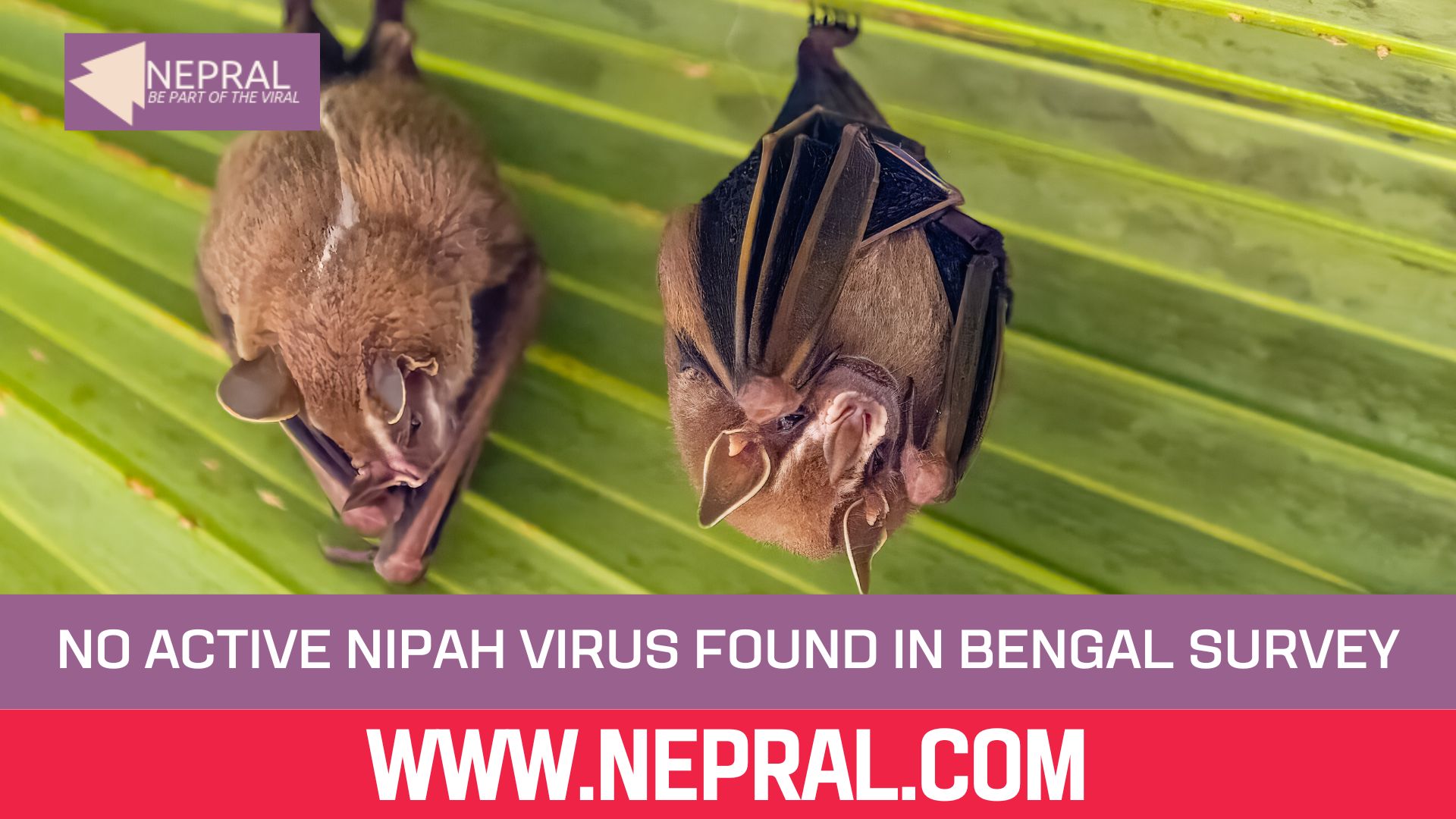
Health experts have also pointed to a recent rise in Nipah cases in neighbouring regions across the border. The virus is known to be carried by fruit bats, and transmission can occur through contaminated fruit or date palm sap. Surveillance teams are studying local environmental factors and wildlife patterns as part of their investigation.
Centre Deploys National Outbreak Response Team
To strengthen the response, the Central government has constituted a National Joint Outbreak Response Team (NJORT) following the outbreak reported on January 11. The team includes experts in public health, microbiology, neurology, virology and environmental health and will provide both technical and operational support to the West Bengal government.
The team is being led by Dr Manas Kumar Kundu, a public health specialist in Kolkata, and includes senior doctors and scientists from national institutes. Their role is to assist with containment strategy, laboratory testing, clinical management and field investigations to identify the source of infection.
What Is Nipah Virus?
Nipah is a zoonotic virus, meaning it can spread from animals to humans. Fruit bats are the natural hosts, and the virus can be transmitted to people through contaminated food, such as fruits or sap, or through close contact with an infected person.
Common symptoms include:
- High fever
- Headache and muscle pain
- Vomiting and abdominal discomfort
- Cough and breathing difficulty
In severe cases, patients may develop altered consciousness, convulsions and respiratory distress, which can be life-threatening. There is no specific antiviral treatment, so care is largely supportive and focused on managing complications.
Health Authorities Outline Safety Measures
Public health experts have urged residents, especially in affected or nearby districts, to follow basic precautions. Dr Arindam Biswas, a public health specialist, said that identifying and isolating contacts quickly is the most effective way to contain the outbreak.
He advised people to:
- Wear masks in crowded or healthcare settings
- Avoid eating fruits that have fallen on the ground or appear bitten by animals
- Refrain from drinking fresh fruit juices for now
- Maintain good hand hygiene
He also reminded people to seek medical attention if they experience persistent fever, headache or breathing problems.
Helplines and Hospital Preparedness
The West Bengal government has activated multiple helplines to respond to public queries and report symptoms: 033-2333-0180, 98747-08858 and 98360-46212.
Principal Health Secretary Narayan Swaroop Nigam appealed for calm. “There is no need to panic. The situation is under close monitoring, and contact tracing is being carried out to ensure the outbreak is contained,” he said.
Private and public hospitals have also stepped up preparedness. CK Birla Hospitals, CMRI in Kolkata said it has strengthened its isolation facilities and conducted mock drills in line with state and national guidelines. “We are fully prepared to manage Nipah virus cases with strict infection control protocols and are working in coordination with health authorities,” said unit head Sombrata Ray.
A Vigilant but Controlled Situation
While the confirmed cases have caused understandable concern, health officials stress that early detection, isolation and coordinated action between state and central agencies provide a strong chance of containing the outbreak. The next few days, particularly the results of ongoing tests and contact tracing, will be crucial in determining whether the virus has spread beyond the initial cluster.
For now, authorities are urging residents to remain alert, follow safety advisories, and rely on verified information as the response continues.