
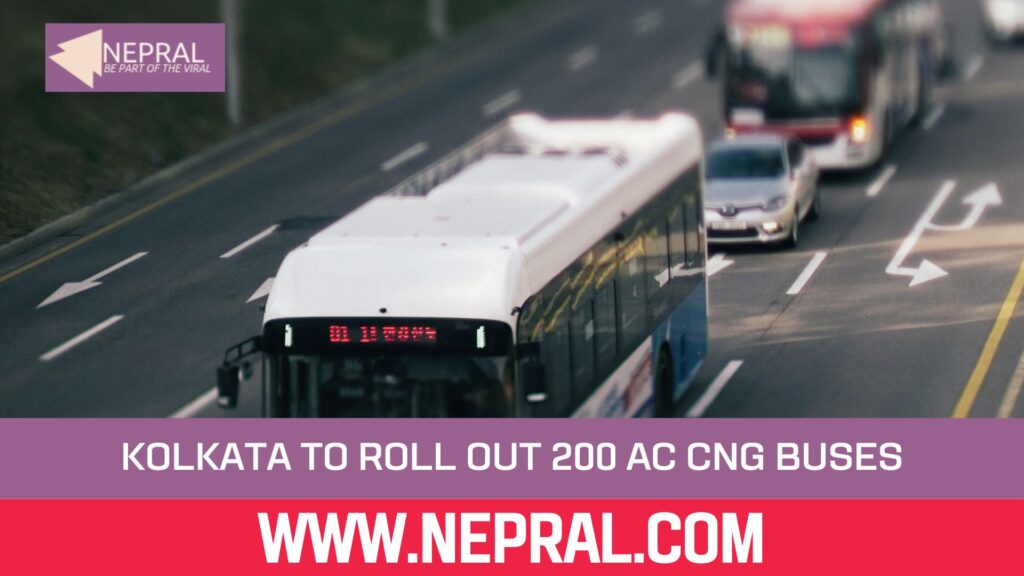

Kolkata to Expand AC CNG Bus Network with 200 New Buses Across 21 Routes
Kolkata: The city’s public transport system is set for a major upgrade as authorities move forward with the rollout of 200 air-conditioned CNG buses across Kolkata and its adjoining regions. The expansion is aimed at improving commuter comfort while supporting the shift toward cleaner fuel-based transport.
The initiative forms part of a broader push to modernise urban mobility and reduce vehicular emissions. Transport officials have indicated that a number of new and revived routes have been identified to operate these buses, with services linking key residential, commercial and suburban zones.
Green Transport Push Gains Momentum
The introduction of AC buses running on compressed natural gas (CNG) reflects the state’s continued focus on environmentally sustainable transport. CNG-powered vehicles are widely regarded as less polluting compared to conventional diesel fleets, and the addition of air-conditioned services is also intended to make public transport more attractive to daily commuters.
The West Bengal Transport Corporation (WBTC), which is overseeing the project, had placed orders for these buses several months ago. The first batch has already been delivered to the Kasba depot, marking the initial phase of deployment. Officials have described the move as a step toward combining environmental responsibility with passenger convenience.
Network to Cover City and Suburban Corridors
Transport planners have mapped out 21 routes for the operation of these new buses. Some of these routes are entirely new, while others represent extensions or revival of previously operated corridors. The routes are designed to connect Kolkata with important transit and residential hubs in Howrah, North 24 Parganas, South 24 Parganas, and the growing New Town–Sector V IT corridor.
Northbound routes are expected to link southern Kolkata with areas such as Barasat, Habra and the airport region. Several services will also bridge Howrah with suburban destinations like Barrackpur and Diamond Harbour, improving cross-river and long-distance daily travel options.
The IT and business zones are also part of the expansion plan, with dedicated links between central Kolkata, Belgachhia and the New Town–Ecospace region, which houses a large number of technology and corporate offices.
Fleet Composition and Investment
The upcoming fleet will consist of three categories of buses to suit different passenger volumes and route requirements:
- 120 semi-deluxe buses
- 50 deluxe buses
- 30 midi buses
The standard buses measure approximately 12 metres in length, while the midi buses are shorter and suited for routes with moderate passenger demand or narrower roads. Officials have previously allocated significant funds for the project, underlining the scale of investment being made to strengthen the city’s public transport infrastructure.
Authorities aim to complete full-scale operations of the fleet before the next financial year, subject to route readiness and operational clearances.
Questions Over Frequency and Viability
While the move has been welcomed by many commuters, some passengers have raised concerns about service frequency. Regular users of AC bus services have pointed out that route success depends not only on comfort and connectivity but also on consistent availability.
Transport experts note that the viability of each route will be assessed based on passenger demand and operational sustainability. Officials have indicated that adjustments could be made if certain routes require more trips or schedule changes.
Role in Urban Mobility Planning
Kolkata, like many large cities, faces rising traffic congestion and air quality concerns. Public transport upgrades are seen as essential to encouraging people to shift away from private vehicles. By improving comfort and reliability, authorities hope to increase the share of commuters opting for buses over personal transport.
Urban mobility planners say that integrating these buses into existing networks, including metro and suburban rail systems, could further enhance last-mile and inter-district connectivity.
Looking Ahead
The expansion of the AC CNG bus network signals a shift toward a more modern and environmentally conscious public transport system in Kolkata. As services roll out over the coming months, commuter feedback and operational data will shape the long-term sustainability of the routes.
If effectively implemented, the project could serve as a model for balancing environmental goals with commuter needs, strengthening the role of buses in the city’s evolving transport landscape.