
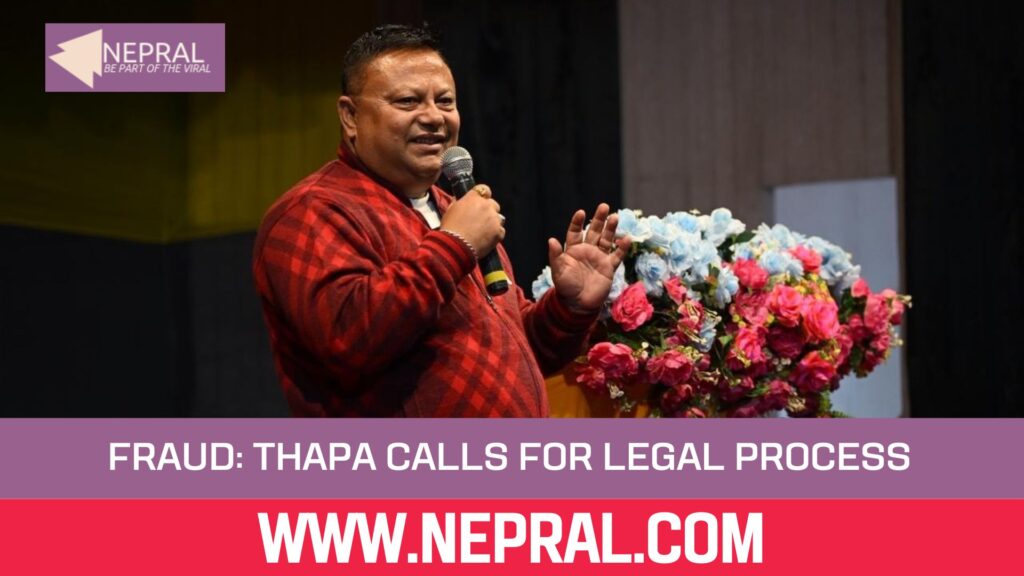

Siliguri Paramedical Fraud Case: GTA Chief Anit Thapa Calls for Legal Resolution, Assures Administrative Action
Siliguri, February 2026 — As investigations continue into the alleged paramedical education fraud in Siliguri, Gorkhaland Territorial Administration (GTA) Chief Executive Anit Thapa has said the matter is now before the courts and must be resolved strictly through legal and administrative processes. His remarks come amid growing concern among affected students and renewed demands for accountability and refund of fees.
The case has drawn attention across North Bengal after complaints surfaced that students were misled by a private paramedical institute operating in Siliguri. With the police confirming arrests in connection with the case, authorities have emphasized that further action will follow due process of law.
Case Now Before the Court, Says GTA Chief
Addressing questions on the issue, GTA Chief Anit Thapa stated that the arrest of the accused has formally placed the matter under judicial consideration. “The police have already taken the accused into custody. This means the case is now sub judice, and the final decision rests with the court,” he said.
He stressed that once a case enters the judicial domain, public authorities must act within defined legal boundaries. According to Thapa, parallel interventions or informal assurances cannot replace court-led resolution, particularly in cases involving financial fraud and institutional accountability.
Legal experts note that once charges are filed and arrests made, courts determine liability, compensation mechanisms, and penalties, while the administration’s role shifts to facilitation and compliance.
Students Affected, Refund Demands Under Review
The alleged fraud has left several students uncertain about their academic future and financial recovery. Many had reportedly paid substantial fees with expectations of recognized qualifications and job prospects.
Acknowledging their situation, Thapa said students have clearly suffered hardship and their grievances deserve formal redress. “The demand for refund of money is being raised, and students are undoubtedly affected,” he noted, adding that the issue has already been taken up through lawful channels by concerned representatives.
According to officials familiar with the matter, student groups and local leaders have submitted petitions seeking reimbursement and safeguards to prevent similar incidents. However, authorities have cautioned that refunds and compensation depend on the outcome of legal proceedings and the recovery of assets linked to the accused.
Matter Raised with Senior State Officials
GTA Chief Anit Thapa confirmed that he has informed the state’s Chief Secretary about the developments in the case. He also said that on the same day, senior officials including Rajesh Chauhan and his team were scheduled to meet the District Magistrate to formally place their demands before the district administration.
“This is not just about expressing concern; it is about ensuring the issue is put into the proper administrative and legal process,” Thapa said. He emphasized that coordination between district authorities and the state government is essential to address both immediate student concerns and systemic gaps.
District-level officials are expected to assess regulatory lapses, verify institutional approvals, and share findings with state departments responsible for technical and paramedical education.
Government’s Role and Accountability
Responding to criticism over delays or perceived inaction, the GTA Chief Anit Thapa said the government is fulfilling its responsibilities within the framework of the law. “The government is doing what it is required to do. Those found guilty must be punished,” he stated.
He added that accountability must extend beyond individual operators if regulatory failures are identified. Education experts argue that cases like the Siliguri paramedical fraud highlight the need for stricter oversight of private institutions, clearer public information on accreditation, and regular audits.
Opposition voices and civil society groups, meanwhile, have urged transparency in the investigation and timely communication with affected students to avoid misinformation and panic.
Process Over Symbolism, Says GTA Chief Anit Thapa
Thapa also addressed calls for political leaders to personally meet protesting students, stating that while engagement is important, procedural action matters more. “Meeting students alone does not resolve the issue. What is more important is placing their case into the proper process,” he said.
This remark reflects a broader administrative stance that durable solutions—such as refunds, legal relief, or alternative academic arrangements—require institutional decisions rather than symbolic gestures.
Student representatives have expressed mixed reactions, with some welcoming the focus on legal remedies, while others continue to seek reassurance about timelines and outcomes.
Wider Implications for Private Education Sector
The Siliguri case has revived debate around the regulation of private paramedical and vocational institutes across West Bengal. With rising demand for healthcare-related courses, experts warn that gaps in monitoring can expose students to financial and academic risk.
Officials say the outcome of the case could influence future policy decisions, including stricter registration norms, public disclosure of accreditation status, and penalties for misleading advertising.
Looking Ahead
As the judicial process unfolds, affected students and their families await clarity on refunds and academic continuity. Authorities maintain that due process will determine responsibility and remedies, while administrative coordination continues at the district and state levels.
For now, the focus remains on ensuring accountability through legal channels and preventing similar incidents in the future. The case serves as a reminder of the importance of regulatory vigilance in the education sector and the need for students to verify institutional credentials before enrollment.