
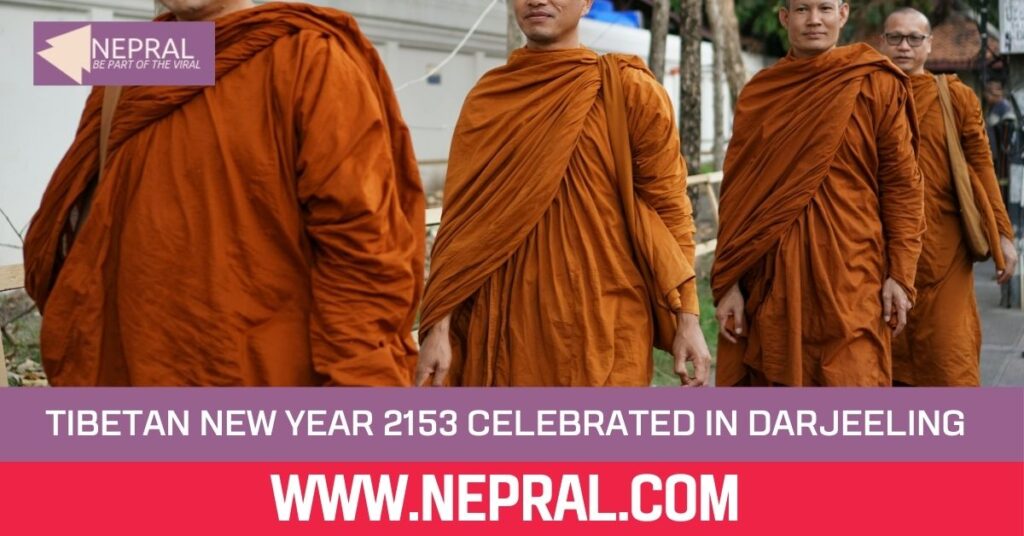

Tibetan New Year 2153 Celebrated with Prayers and Cultural Programs in Darjeeling
Darjeeling, February 18 2026 — The Tibetan New Year, observed according to the traditional Tibetan calendar, was celebrated with devotion and cultural fervour in Darjeeling as monks, students, teachers, and devotees gathered to welcome the year 2153. The occasion brought together the local Tibetan Buddhist community for prayers, rituals, and performances that reflected both spiritual reflection and collective joy.
The main celebration was held at Tamang Gumba, where a special programme was organised on the eve of the New Year. The event saw participation from residents across the area, highlighting the continued cultural significance of Tibetan traditions in the hill town.
A Community Gathering Marking a Sacred Transition
Losar, the Tibetan New Year, marks the beginning of a new cycle in the Tibetan lunar calendar and is one of the most important festivals for Tibetan Buddhists. In Darjeeling, where Tibetan culture has a deep-rooted presence, the festival is observed with rituals that symbolise purification, renewal, and hope.
At the Tamang Gumba, the programme began with traditional prayers and pooja conducted by monks, followed by cultural activities involving students and teachers associated with the monastery. Devotees exchanged greetings and best wishes, reinforcing a sense of unity and shared spiritual purpose.
Organisers said the gathering was designed to offer a space for reflection while also celebrating the cultural heritage passed down through generations. “The New Year is a time to let go of negativity and begin afresh,” a senior devotee said during the event.
Fire Horse Year: Spiritual Meaning Explained
Addressing the gathering, the chief monk of the monastery, Sange Tashi, spoke about the astrological significance of the new year. According to Tibetan astrology, the year 2153 is recognised as the Fire Horse Year.
He explained that the fire element symbolises energy, transformation, and enthusiasm, while the horse is traditionally associated with movement, strength, and courage. “The Fire Horse Year is believed to bring progress and positive change,” the monk said, adding that it encourages individuals to act with confidence while remaining mindful of ethical values.
Such interpretations are an important part of Tibetan New Year observances, offering guidance on how people may approach the coming months with balance and purpose.
Cultural Performances and Ritual Observances
Following the prayers, students and members of the monastery presented cultural programmes that reflected Tibetan traditions. These included devotional chants and performances inspired by Himalayan cultural practices. Teachers and elders guided younger participants, emphasising the importance of preserving traditional knowledge.
For many families, the celebration also served as an educational experience for children, helping them understand the spiritual roots of the festival beyond its festive aspects.
Observers noted that the inclusive nature of the programme—bringing together monks, lay devotees, students, and local residents—reinforced the monastery’s role as a cultural and spiritual centre in the community.
Darjeeling’s Tibetan Heritage
Darjeeling has long been home to a diverse cultural population, including a significant Tibetan community. Over the decades, monasteries such as Tamang Gumba have played a vital role in maintaining religious practices, language, and customs associated with Tibetan Buddhism.
Festivals like the Tibetan New Year provide opportunities for cultural continuity, especially among younger generations growing up in a rapidly changing social environment. Local cultural scholars point out that public celebrations help keep traditions visible and relevant while fostering inter-community understanding.
Messages of Peace and Prosperity
The programme concluded with mass prayers led by the monks, wishing peace, prosperity, and well-being for all participants and the wider community. Devotees offered khatas—traditional ceremonial scarves—as symbols of goodwill and respect.
Organisers said the emphasis this year was on collective harmony and positive intent, in keeping with the symbolism of the Fire Horse Year. “It is a reminder to move forward with courage and compassion,” one of the organisers remarked.
Looking Ahead
As Darjeeling welcomed the Tibetan New Year 2153, the celebrations at Tamang Gumba underscored the enduring importance of spiritual traditions in the hills. Beyond rituals and performances, the event served as a reminder of shared values—peace, resilience, and community solidarity.
With the Fire Horse Year believed to herald energy and progress, devotees expressed hope that the months ahead would bring positive change not only for individuals but also for society as a whole. The celebration concluded on a note of optimism, setting the tone for the year ahead rooted in faith and cultural pride.